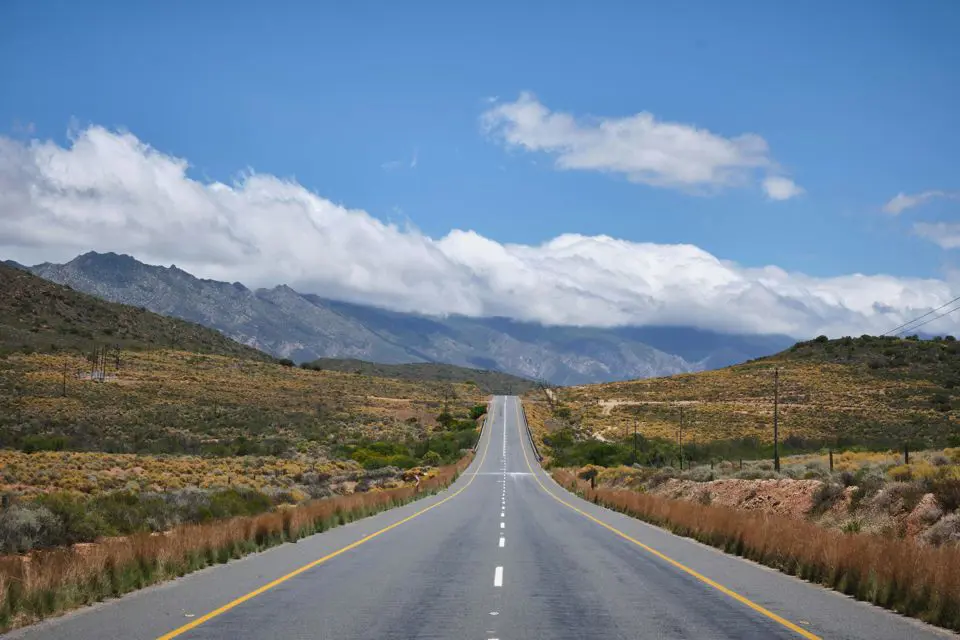
Traveling from Bariloche to Puerto Varas is one of the experiences most enjoyed by those seeking to explore Patagonia with all its nuances. Both destinations, surrounded by lakes, forests, and volcanoes, are separated by the imposing Andes Mountain Range and gather what many consider to be the essence of southern Argentina. Touring both cities, the one on the Argentine side and the one on the Chilean side, is undoubtedly an adventure that summons thousands of adventurous tourists every year.
There are different ways to make the crossing from Bariloche to Puerto Varas, but the most emblematic and recommended for travelers is the Andean Crossing (Cruce Andino), also known as the Bariloche–Puerto Varas Lake Crossing.
This journey is much more than a transfer: it is a scenic excursion allowing the discovery of unique landscapes of Argentina and Chile in a single day. Just as you read: without the need to book lodging, exchange money, or rent a car for several days. It is a lake route that can be done in one direction or the other, connecting the Argentine city of San Carlos de Bariloche with the Chilean Puerto Varas, crossing three lakes and two national parks. Throughout the tour, visitors enjoy views of the Osorno Volcano, Cerro Tronador, and the humid forests of the Valdivian rainforest, one of the most beautiful on the continent.
Below we give you all the details of the tour and an alternative so you don't fail to consider these destinations in your next travel route through Patagonia.
The Andean Crossing: An Unforgettable tour Among Lakes and Mountains
The Puerto Varas–Bariloche Andean Crossing is one of the most traditional and sought-after experiences in southern South America, and can be done in a single day or two days, with an intermediate night in Peulla, a small Chilean town surrounded by mountains.
Best Bariloche Tours offers the possibility of doing this excursion in a single day, with a professional guide accompanying every moment, transfers in buses, and tickets for the modern vessels required for this experience.
The itinerary begins early in the morning in downtown Bariloche. Passengers are transferred to Puerto Pañuelo, located on the shores of Lake Nahuel Huapi, one of the most imposing water mirrors of Argentine Patagonia. From this point departs the first leg of navigation towards Puerto Blest, a one-hour journey where the forests of Nahuel Huapi National Park and the snowy peaks surrounding it can be appreciated.
That is just the beginning. Upon arriving at Puerto Blest, the tour continues by land to Puerto Alegre, where you embark again to cross Lake Frías. This lake, of a unique emerald green tone due to glacial meltwater, is the step prior to entering Chile. After a short navigation, travelers arrive at Puerto Frías, where immigration procedures to exit Argentina are carried out.
Once the border crossing is completed, a hired bus transfers visitors through Vicente Pérez Rosales National Park, the oldest in Chile, to Peulla, a small locality nestled in the middle of the mountain range. This is the intermediate point of the trip, ideal for stretching legs, having lunch (this meal is not included in the excursion, so it is suggested to bring a packed lunch or buy at one of the local stalls), and enjoying nature. In the surroundings of Peulla, you can hike, ride horses, or simply contemplate the landscapes of forests and waterfalls.
After that rest, the itinerary continues with a navigation on Lake Todos los Santos, also known as Emerald Lake, due to the intense color of its waters. This section is one of the most impressive of the trip: during the journey, panoramic views of the Osorno Volcano, Puntiagudo Volcano, and Cerro Tronador are obtained. Weather permitting, the reflection of the volcanoes on the water offers an unforgettable postcard.
The last stop is Petrohué, where passengers disembark to visit the famous Petrohué Falls (Saltos del Petrohué), a set of waterfalls formed by meltwater. From there, the tour continues by road bordering Lake Llanquihue, until reaching the city of Puerto Varas, known as the "City of Roses" and one of the most picturesque in southern Chile.
In total, the Andean Crossing from Bariloche to Puerto Varas lasts approximately 12 hours, and can be done in both directions. There is also the possibility of doing the Puerto Varas–Bariloche tour, departing from Chile towards Argentina. In both cases, it is recommended to book in advance and verify weather conditions, especially in winter.
A Unique Experience in Patagonia
The Puerto Varas–Bariloche lake crossing is considered one of the most comfortable and beautiful tourist tours in southern Argentina and Chile. Each section invites disconnection by observing the charm of the natural environment, the history surrounding each national park, and the culture of the peoples surrounding them.
The boats used for the Bariloche–Puerto Varas lake crossing have onboard services, heating, cafeteria, and large windows to enjoy the landscape. The excursions are guided in Spanish and English, and during the journey, data on the flora, fauna, and geography of the place are shared.
And although the crossing can be done all year round, the most recommended season is between November and March, when the climate is more stable and temperatures more pleasant. In the winter season, the itinerary remains operational, although it may undergo modifications due to weather conditions.
For those wanting to extend the experience, there is the option of doing the crossing in two days, with intermediate accommodation in Peulla. This alternative allows enjoying the landscapes more calmly, doing outdoor activities, and resting before continuing to Chile or Argentina.
How to Get to Puerto Varas from Bariloche by Car
While the Andean Crossing is the most iconic way to unite both destinations, there is also the possibility of traveling with your own or rented vehicle by road, crossing the Cardenal Samoré International Pass, located 130 kilometers from Bariloche.
This route connects the Argentine city of Villa La Angostura with its Chilean counterpart Osorno. It is in good condition and has good signage. From Osorno, the trip continues to Puerto Varas, which is about two hours by car. In total, the journey between Bariloche and Puerto Varas by land lasts approximately 6 to 7 hours, depending on traffic conditions and delays at the border crossing.
In case this option is chosen, when making the land crossing between Bariloche and Puerto Varas, some immigration and transit requirements will be requested. Travelers crossing must have their valid ID or passport with them, and in case of driving a vehicle, the "green card" (if the car is in their name) or the "blue card" (if the vehicle belongs to another person).
An international insurance (SOAPEX) is also required, mandatory to circulate in Chile, and processing at customs a temporary admission permit for the vehicle, allowing its entry into the country for a certain period. Meanwhile, during winter, border authorities require carrying snow chains, and it is advisable to verify the status of the Cardenal Samoré Pass on the official website www.pasosfronterizos.gov.cl, as weather conditions can affect traffic.
How is it Better to Cross: Advantages and Differences Between Both Options
Both the Andean Crossing from Bariloche to Puerto Varas and the land route via the Samoré Pass offer wonderful landscapes and the possibility of living the experience of crossing the Andes. However, each alternative responds to different travel styles.
The Bariloche–Puerto Varas Lake Crossing is ideal for those seeking an organized excursion, without worrying about paperwork or driving. It is an active tourism experience combining comfort and nature. In addition, it allows enjoying unique views from the water, something impossible to experience by road.
On the other hand, traveling by car offers more independence and flexibility. It is the preferred option for travelers wanting to tour at their own pace, stop to see from the viewpoints, visit the beautiful city of Villa La Angostura, or explore the Osorno area before reaching Puerto Varas. However, it requires greater planning, checking road conditions, and additional customs procedures.
In terms of costs, the excursion from Bariloche to Puerto Varas has a higher value than a land trip, but includes services, guide, and logistics simplifying the transfer. Those valuing the experience as much as the destination consider that the price is amply justified by the beauty of the tour.
What to See Upon Arriving in Puerto Varas?
Once the Puerto Varas–Bariloche lake crossing is completed, the traveler arrives at one of the most charming cities in southern Chile. Puerto Varas combines German heritage, wooden architecture, and an impressive natural landscape dominated by Lake Llanquihue and the Osorno Volcano.
Among its main attractions stand out the Costanera (waterfront), with panoramic views of the lake, the Sacred Heart Church, and gastronomic walks where you can taste typical Chilean pastries and salmon and seafood dishes. Very close to the city are Vicente Pérez Rosales National Park, the Osorno Volcano, and the Petrohué Falls, three unmissable visits to complement the journey.
From Puerto Varas, excursions can also be made to Lake Todos los Santos, the city of Frutillar, or even continue the trip to Puerto Montt and Chiloé Island, thus expanding the tourist experience through southern Chile.
Before doing the Andean Crossing from Bariloche to Puerto Varas, it is recommended to book in advance, especially during the summer months. It is also important to carry valid documentation, sunscreen, light warm clothing, raincoat, and, of course, a cell phone with battery to take good photos at every moment of the trip.
If the excursion is done in winter, it is advisable to check the weather service and the status of the border pass and roads, as snowfall can affect the itinerary. In all cases, both the Andean Crossing and the land trip are safe and well-signposted, with consolidated tourist services on both sides of the border.
The Bariloche–Puerto Varas lake crossing is a symbol of binational tourism between Argentina and Chile. And those who do it, whether by boat or by car, agree on the same sensation: having lived one of the most beautiful journeys in the world. Have a good trip!
Published by Has Chacon on 08/06/2026